
Nucleation & morphology
Reaction conditions are developed around crystal growth, platelet form, particle dimensions and aggregation.
From slurry to usable material
Washing, separation, drying, surface routes and dispersion behavior are considered as part of the material system.
Evaluate in context
Development samples are compared against the intended formulation, appearance target and qualification needs.
See the particle population.
Optical microscopy provides a direct view of platelet shape, size and aggregation. We use representative images to compare development populations and guide process adjustments.
Microscopy is one part of the development picture. Grade-relevant analytical methods are selected according to the intended application and qualification stage.
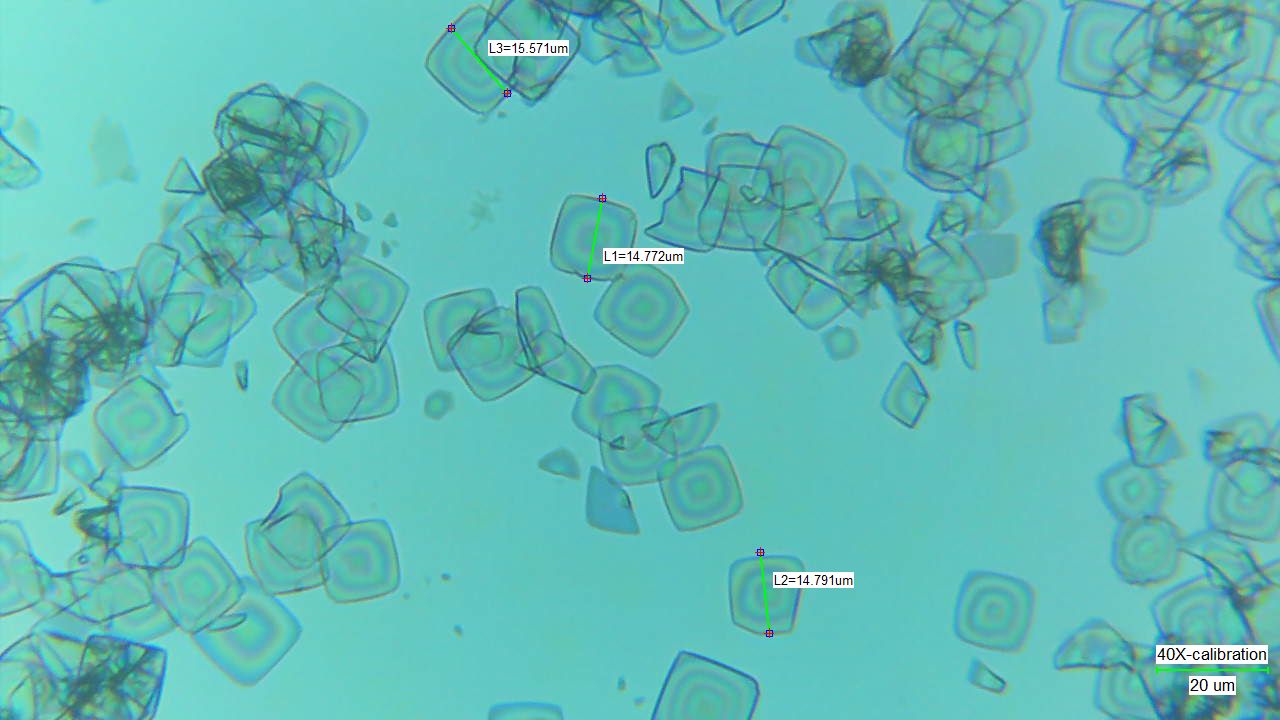
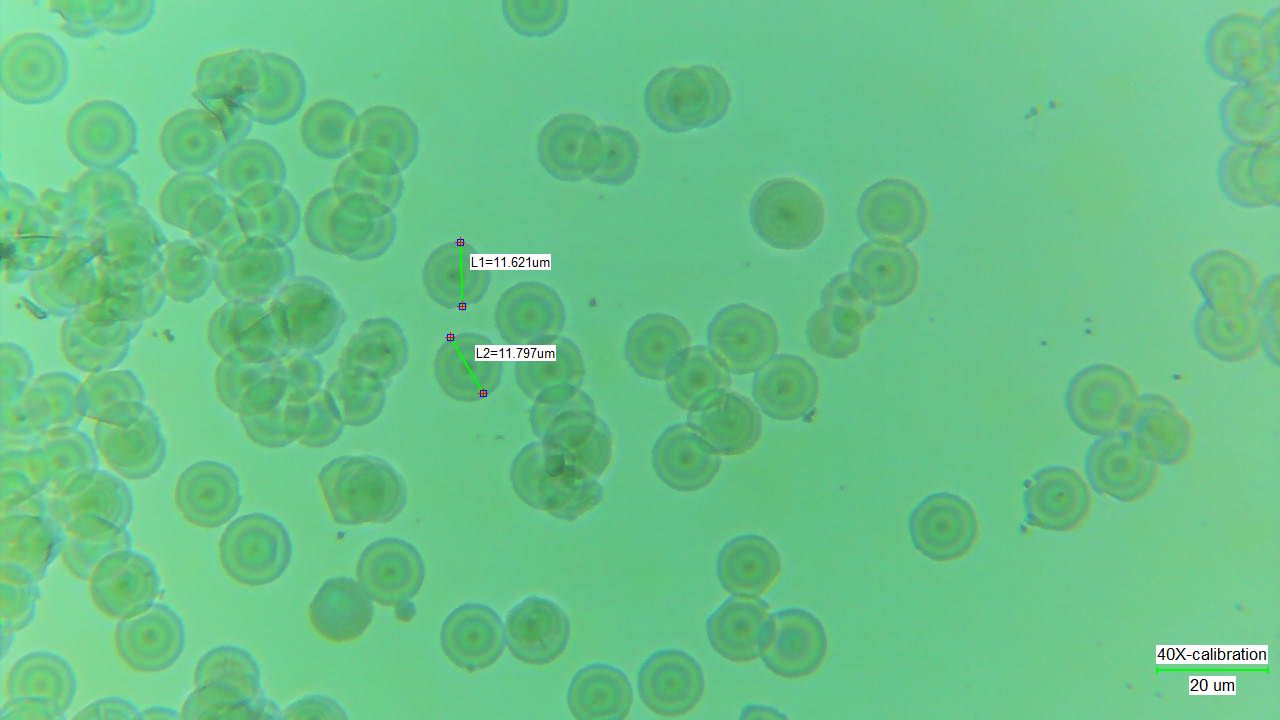
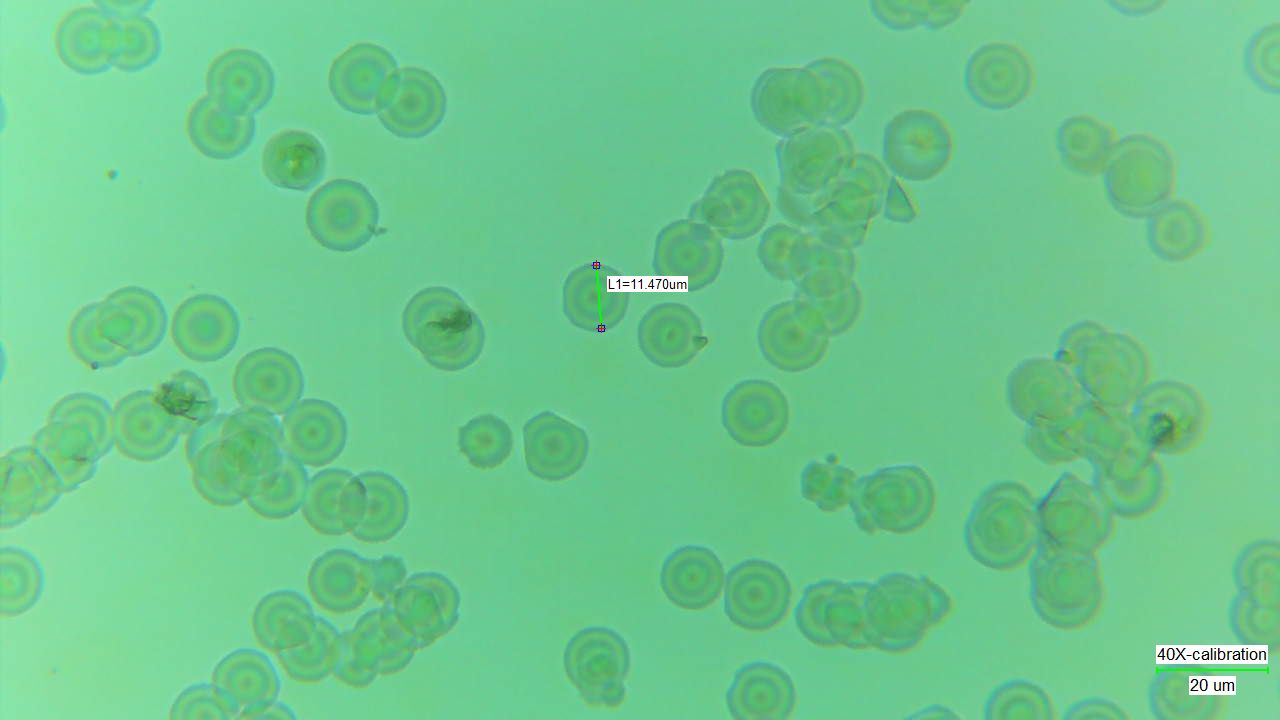
Representative optical microscopy from laboratory development samples; morphology and size are grade- and process-dependent.
A material is more than a synthesis recipe.
We consider both crystal formation and the practical steps required to move a material toward repeatable supply and customer evaluation.
Reaction chemistry and initial process window.
Morphology, particle characteristics and aggregation.
Washing, separation, drying and surface routes.
Microscopy and grade-relevant analytical comparison.
Dispersion, appearance and end-use evaluation.